

Starting a home renovation guide for beginners can feel exciting but also a bit stressful when you don’t know where to begin. You may have ideas in your mind—new kitchen, better lighting, modern living room—but turning those ideas into reality requires planning, patience, and the right approach.
This detailed guide will walk you through everything step by step, in a simple and practical way, so you can confidently handle your home renovation even if it’s your first time.
Step 1: Understand Why You Want to Renovate
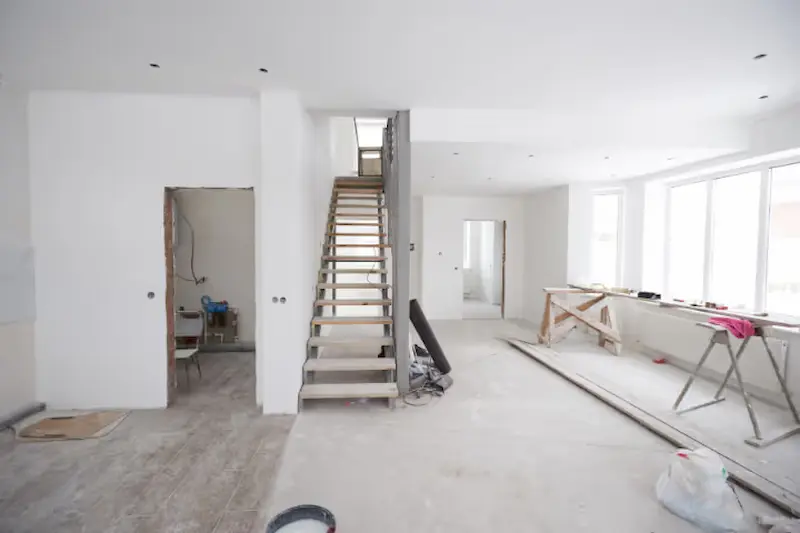
Before anything else, you need to clearly understand your purpose. Every renovation decision depends on your goal.
Ask yourself:
- Do I want to improve comfort or lifestyle?
- Am I increasing property value for resale?
- Is my home outdated or not functional anymore?
- Do I need more space or better organization?
For example:
- If your goal is comfort, you’ll focus more on cozy interiors, lighting, and furniture.
- If your goal is resale value, you’ll focus on modern kitchens, bathrooms, and neutral designs.
When your purpose is clear, your entire renovation becomes easier to plan.
Step 2: Set a Realistic Budget (Most Important Step)
One of the biggest mistakes beginners make is underestimating costs. A proper home renovation guide for beginners always starts with budgeting.
Break your budget into categories:
1. Construction & Labor
- Contractors
- Electricians
- Plumbers
- Carpenters
2. Materials
- Cement, bricks (if needed)
- Tiles, wood, paint
- Fixtures (lights, taps, switches)
3. Furniture & Décor
- Sofas, tables, beds
- Curtains, rugs, décor items
4. Hidden Costs
- Transport charges
- Repairs you didn’t expect
- Delays or design changes
Smart budgeting tip:
Always add 10–20% extra buffer because almost every renovation has unexpected expenses.
Step 3: Plan Your Space Properly

Space planning is where your home starts to “make sense.”
Think about:
- How you move through your home daily
- Which areas feel crowded or empty
- Where storage is missing
- Which rooms are underused
Example:
If your living room feels tight, instead of buying new furniture, you might:
- Use wall-mounted shelves
- Choose smaller sofas
- Open up floor space
Good planning improves both comfort and functionality without always increasing cost.
Step 4: Create a Clear Design Vision
Now comes the creative part.
Pick a style that matches your personality and home size:
Popular styles:
- Modern Minimalist: Clean, simple, less clutter
- Scandinavian: Bright, cozy, natural wood tones
- Traditional: Warm colors, detailed furniture
- Industrial: Raw textures, metal, and brick elements
Helpful method:
Don’t just randomly choose ideas. Instead:
- Save images on Pinterest or Instagram
- Look for repeating patterns in what you like
- Choose 2–3 main colors for your home
This prevents your home from looking messy or inconsistent.
Step 5: Decide What to Renovate First
Not everything should be done at once. A smart home renovation guide for beginners always recommends prioritizing.
Start with:
- Structural repairs (walls, ceilings, flooring)
- Electrical and plumbing work
- Kitchen and bathroom upgrades
- Painting and finishes
- Furniture and décor
Why this order matters:
If you paint before fixing wiring or pipes, you may damage your new walls later.
Step 6: Hire the Right People or Decide DIY Work
You don’t need to do everything yourself—and honestly, you shouldn’t.
DIY tasks (safe for beginners):
- Painting walls
- Assembling furniture
- Hanging décor items
- Simple gardening or balcony setup
Hire professionals for:
- Electrical wiring
- Plumbing
- Structural changes (walls, beams, roofing)
- Tile installation and flooring
Important tip:
Always check:
- Previous work photos
- Reviews or recommendations
- Clear written cost agreement
You may also like to read this:
Easy House Renovation Guide Steps For Modern Homeowners
Smart Kitchen Renovation Guide Ideas For A Stylish Upgrade
Bathroom Renovation Guide Tips For A Perfect Home Upgrade
Complete Home Renovation Guide Step By Step Tips 2026
Step 7: Create a Renovation Timeline
Renovations take time—sometimes longer than expected. That’s why planning a timeline is crucial.
Example timeline:
Week 1–2: Planning
- Finalize design
- Buy materials
- Hire workers
Week 3–5: Structural Work
- Demolition (if needed)
- Electrical and plumbing
Week 6–8: Interior Work
- Flooring
- Painting
- Cabinet installation
Week 9+: Final Touches
- Furniture placement
- Decoration
- Lighting setup
A timeline keeps your project organized and reduces stress.
Step 8: Smart Material Selection
Choosing materials is not just about looks—it’s about durability and maintenance.
Things to consider:
- Is it easy to clean?
- Does it last long in your climate?
- Is it within budget?
- Does it match your design style?
Example:
- Marble looks beautiful but can be expensive and high maintenance.
- Laminate flooring is cheaper and easier to maintain.
A smart choice saves money in the long run.
Step 9: Avoid Common Beginner Mistakes
Many people face problems during renovation because of simple mistakes.
Avoid these:
- Starting without a plan
- Ignoring budget limits
- Following trends blindly
- Overcrowding rooms with furniture
- Not measuring spaces correctly
Pro tip:
Always measure twice before buying anything.
Step 10: Add Final Styling and Personal Touch
Once construction is done, your home comes alive with styling.
Easy styling ideas:
- Warm lighting (lamps instead of harsh lights)
- Indoor plants for freshness
- Simple wall art or frames
- Soft rugs and cushions
- Organized storage solutions
Small details make your home feel cozy and complete.
Final Thoughts
A successful home renovation guide for beginners is all about patience, planning, and smart decisions. You don’t need a huge budget or professional experience—you just need a clear step-by-step approach.
If you take your time, follow a proper plan, and avoid rushing decisions, your home transformation will not only look beautiful but also feel practical and comfortable for everyday life.
Your dream home is absolutely possible—you just have to build it step by step.
FAQs – Home Renovation Guide for Beginners
1. What is the first step in a home renovation?
The first step is planning. You should clearly define your goals, understand what you want to change, and set a realistic budget before starting any work.
2. How much budget should I keep for home renovation?
It depends on the size of your project, but a good rule is to estimate costs and then add an extra 10–20% for unexpected expenses like repairs or material price changes.
3. Can I renovate my home without hiring professionals?
Yes, but only for small tasks like painting, decorating, or assembling furniture. For electrical work, plumbing, or structural changes, it’s safer to hire professionals.
4. How long does a home renovation usually take?
A simple renovation may take a few weeks, while a full home renovation can take 2–3 months or more depending on the size of the project and complexity of the work.
5. What rooms should I renovate first?
It’s best to start with essential areas like the kitchen, bathroom, electrical systems, and flooring before moving on to painting and decoration.