
If you’ve ever looked around your house and thought, “I should really fix this up, but I don’t know where to start,” then you’re in exactly the right place. This guide on home improvement for beginners is made for you—someone who wants to improve their space without feeling overwhelmed, confused, or pressured to spend a lot of money.
Home improvement doesn’t have to mean big renovations or expensive contractors. In fact, the best part about home improvement for beginners is that you can start small, learn as you go, and still see a huge difference in how your home looks and feels.
Let’s walk through everything step by step in a simple, friendly way.
What Is Home Improvement for Beginners?

At its core, home improvement for beginners means making small or medium upgrades to your home without needing advanced skills. It includes things like painting a wall, rearranging furniture, fixing minor issues, or upgrading simple decor.
Think of it as learning to take care of your home the same way you take care of yourself—one small habit at a time.
Start With Simple Projects First
When you’re new to home improvement for beginners, don’t jump into complicated projects. Start with easy wins that build your confidence.
Here are a few beginner-friendly ideas:
- Painting a single wall in your room
- Changing cabinet handles in the kitchen
- Adding wall shelves
- Fixing small leaks or loose screws
- Updating old curtains or cushions
These tasks don’t require professional skills, but they instantly improve your space.
Learn Basic Tools (You Don’t Need Many)
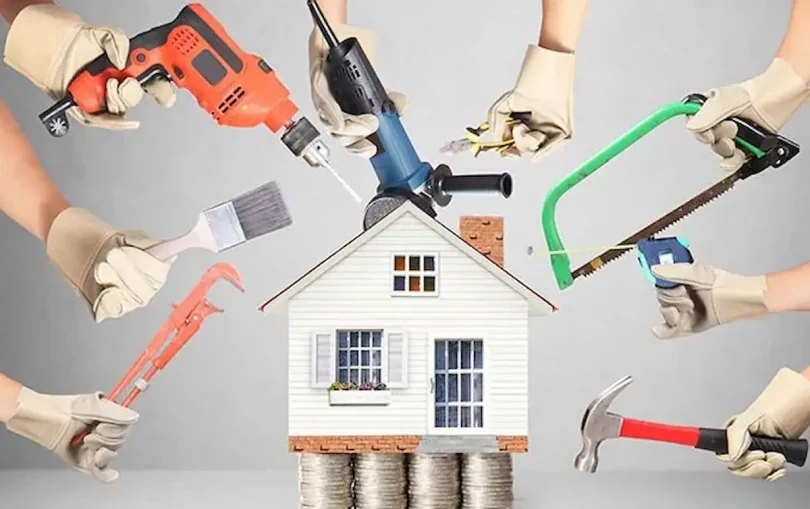
One mistake beginners make in home improvement for beginners is thinking they need a full toolbox. You actually only need a few basics:
- Hammer
- Screwdriver set
- Measuring tape
- Level tool
- Utility knife
- Drill (optional but helpful)
Once you have these, you can handle most small home projects with ease.
Focus on One Room at a Time
A smart rule in home improvement for beginners is: don’t try to fix everything at once.
Pick one room and improve it step by step. For example:
- Start with your bedroom
- Then move to the living room
- After that, work on the kitchen
This helps you stay organized and avoid stress.
Budget-Friendly Home Improvement Tips

You don’t need a big budget to improve your home. A major part of home improvement for beginners is learning how to do more with less.
Try these ideas:
- Rearrange existing furniture for a fresh look
- Use DIY wall art instead of buying expensive decor
- Shop second-hand for furniture upgrades
- Add indoor plants for natural beauty
- Use lighting changes (like warm bulbs) to change the mood of a room
Small changes can make your home feel completely new.
Learn Basic Repairs
Another important step in home improvement for beginners is handling small repairs on your own. This saves money and builds confidence.
Start with:
- Fixing loose door handles
- Patching small wall holes
- Unclogging drains
- Tightening screws in furniture
You don’t need to be an expert—just patient and willing to learn.
You may also like to read this:
Bathroom Renovation Guide Tips For A Perfect Home Upgrade
Complete Home Renovation Guide Step By Step Tips 2026
Easy Renovation Guide Checklist: Step-By-Step Home Planning
Home Improvement Ideas on Budget For Every Homeowner
Simple Home Improvement Tips For A Better Home Space
DIY vs Hiring Help
A big question in home improvement for beginners is: should you do it yourself or hire someone?
Here’s a simple rule:
- Do it yourself if it’s small, safe, and reversible
- Hire help if it involves electricity, gas, plumbing, or structural changes
This keeps you safe while still allowing you to learn and improve your home.
Common Mistakes Beginners Should Avoid
If you’re new to home improvement for beginners, try to avoid these mistakes:
- Starting too many projects at once
- Buying tools you don’t need
- Ignoring measurements before buying items
- Choosing style over functionality
- Skipping proper planning
A little planning saves a lot of time and money.
Build Your Confidence Slowly
The most important part of home improvement for beginners is not speed—it’s confidence. Every small project you complete teaches you something new.
Over time, you’ll notice that tasks that once felt difficult now feel easy. That’s when home improvement becomes enjoyable instead of stressful.
Final Thoughts
Home improvement for beginners is all about starting small, staying consistent, and learning step by step. You don’t need to be an expert or spend a lot of money to make your home better. Even small changes can completely transform your space and how you feel in it.
So pick one simple project today, take your time, and enjoy the process of making your home truly yours.
FAQs – Home Improvement for Beginners
1. What is the easiest home improvement project for beginners?
Some of the easiest projects include painting a single wall, changing cabinet handles, adding wall shelves, or rearranging furniture. These don’t require advanced skills but still make a noticeable difference.
2. How much money do I need for home improvement for beginners?
It depends on your project, but you can start with a very small budget. Many home improvement for beginners tasks cost very little—sometimes just the price of paint, basic tools, or simple decor items.
3. Do I need special tools to start home improvement?
Not really. Basic tools like a hammer, screwdriver set, measuring tape, and a drill (optional) are enough for most beginner-level projects.
4. Can I do home improvement projects without professional help?
Yes, many tasks in home improvement for beginners can be done on your own, such as painting, decorating, and minor repairs. However, for electrical or plumbing work, it’s safer to hire a professional.
5. How do I choose which room to improve first?
Start with the room you use most often or the one that bothers you the most. Many beginners start with the bedroom or living room because they are easier to upgrade.